Taking over a dataset
‘My challenge was to find a way through all this data which was all in a way relevant, but as a whole was way too extended.’
Where does this story come from?
History; geography – this story was told to us by Dr. Reinout Klaarenbeek
Tell us your horror story, what happened?
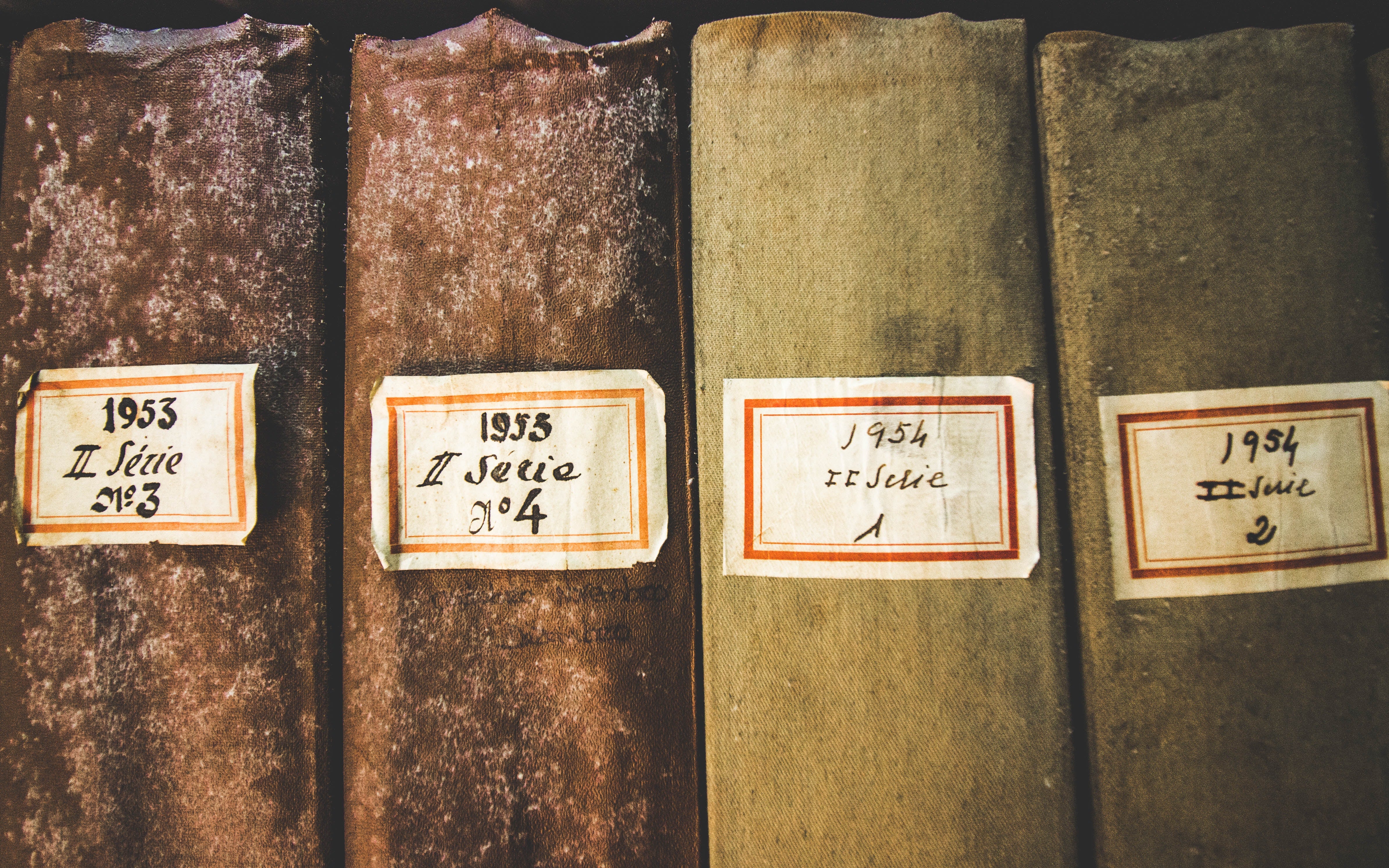
A couple of years ago I took over a large research project from someone else. My predecessor had made a large - that is to say realllllly large - number of photographs of all kinds of written archival records related to the subject. The photographs were stored in a windows map structure with folders in folders in folders and so on and so on. Any overview was impossible. My challenge was to find a way through all this data which was all in a way relevant, but as a whole was way too extended. Additionally problems were an unclear provenance of the archival records, my unfamiliarity with the archives and its content was largely in French, a language I only barely mastered. Unfortunately, the easiest solution - to go back to my predecessor and ask him what he had done was not possible: due to circumstances he was forced to leave the research and I was told that he was not accessible. At first I tried a software solution. I found out that importing the files to a software-program named Elyse all files could be tagged by categories, so that I didn’t need the endless clicking in the folder structure anymore. However, importing, setting up a consistent system of categories for all files was too time-consuming.
Did you find a solution? How did this situation end?
To be honest, a clear-cut solution was not found. I was forced to keep on going through the files, trace them back to the archives where they came from, restore them in a way that made sense to me and learn better French in the same time. Only in the course of the research I was able to select the small amount of relevant files.
Was there a lesson learned? How could this horror be avoided?
Taking over the research data from someone else can be very tough. Especially as the researcher left the research suddenly without leaving a metadata file and the researcher was not available for explanation. But sometimes this is inevitable. I might have started all over again and go back to the archives. However, although it was very annoying, in the end I managed to resolve the situation and it was also instructive.